As we learn about this strange and incredible story of animal astronauts, I can’t help but marvel at the audacity of not just its creation, but its timing. At the height of global tensions, the initiative seemed both wildly improbable and oddly purposeful. Because, if history has taught us anything, it’s that when humans are stressed in any conflict, the situation can do one of two things: Tear us apart or bring us together (often in extraordinary and unexpected ways).
While trends and a sentiments of the day can often drive decision-making, uncertain times are precisely when bold ideals should be pursued. The endeavors in science or storytelling, affect each other and shape both real and imagined worlds.
While far less fantastical and lacking any trips to space, I myself, as a suitably awkward teenager, had the privilege of participating in a real-world program with similarly ambitious goals. In 1956, Dwight D. Eisenhower founded a program called “People to People” Student Ambassadors, an initiative designed to foster global unity through youth cultural exchange. The inaugural conference included 100 individuals from industry, academia, and the arts and was nothing short of a who’s who of mid-century diplomacy and business. They included Soviet Premier Nikita Khrushchev, Bob Hope, Walt Disney, and Joyce Hall of Hallmark Cards, with Charles Schulz of Peanuts fame contributing art to the program’s worldwide conferences. Coming full circle, I found myself honored to have worked on projects for those last three founders’ companies later in my professional art career.
Eisenhower’s words at the event were particularly striking from a sitting president: “If we are going to take advantage of the assumption that all people want peace, then the problem is for people to get together and to leap governments, if necessary, to evade governments, to work out not one method but thousands of methods by which people can gradually learn a little bit more of each other.”
Essentially, his plan was to bypass bureaucracy and let regular people do what governments themsleves often couldn’t—build meaningful connections and appreciation—which I certainly did during my formative trip around the U.K.
Walt Disney later became one of the founding directors of the program and later drew inspiration from the initiative to create the “It’s a Small World” ride at Disneyland in 1964.
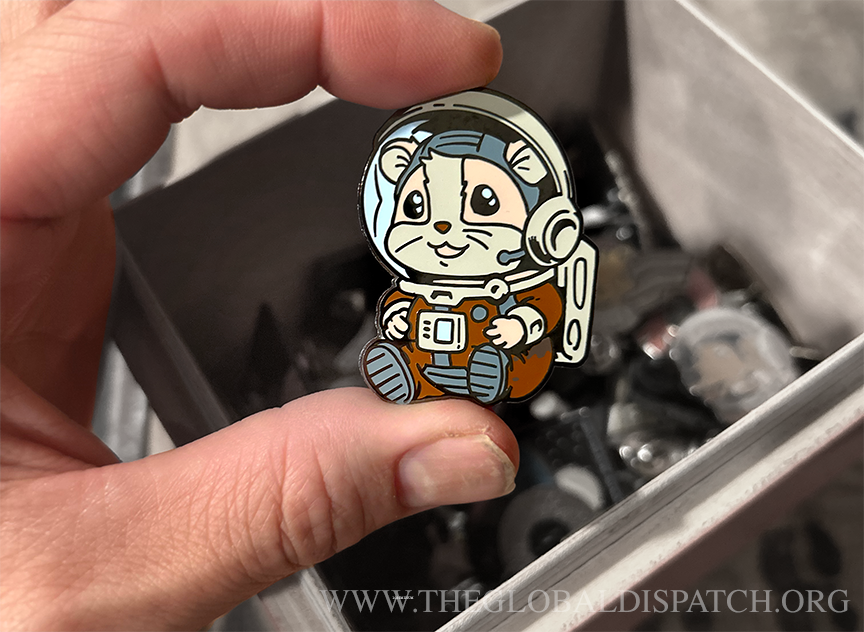
This similar spirit of optimism and collaboration is what makes the Pawsmonauts so intriguing. In the face of uncertainty, our best tools are imagination and vision. And what better way to inspire those qualities than through storytelling? After all, even the most pragmatic minds struggle to remember raw data, but everyone remembers a good story.
From far- flung sci-fi adventures to children’s puppet shows and comic books about misfit mutants, storytelling has long served as both critique of their times and vehicles for shaping our perspectives. Even the most practical industries thrive on a good narrative. Why else would sports networks spend so much time crafting dramatic backstories about Olympic athletes rather than just showing us their stats and race times?
Emotion matters.
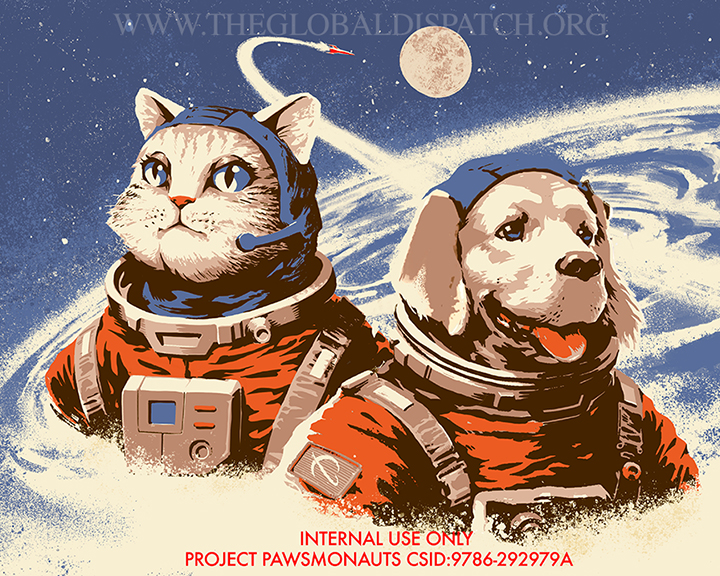
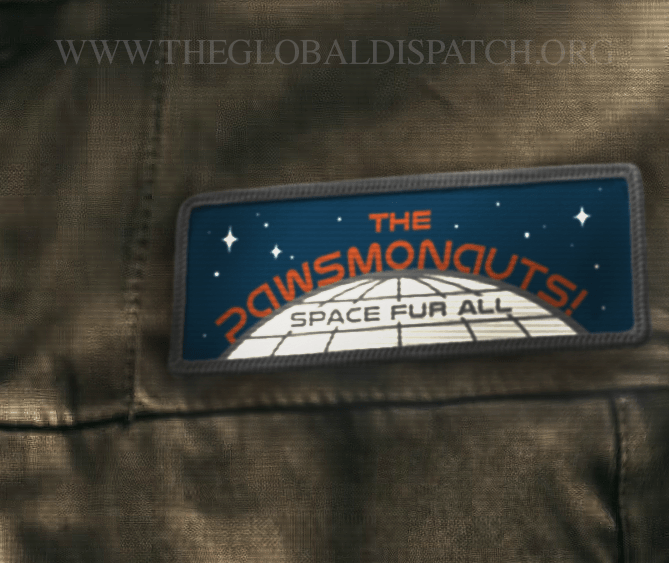
If stories shape our values, then narratives—both real and fictional—help fortify our moral compass. Whether consciously or not, we use narratives to frame our convictions as we navigate the world. And in the case of the Pawsmonauts, those stories come wrapped in fur, feathers, and flight suits. Among the mission’s newly uncovered documents, one phrase stood out—a rallying cry from the flight team. Perhaps we humans should take note and heed their wisdom, because there may indeed be “Space Fur All.”
-Chris Kawagiwa
 Kit n' Rivet